
Buying an Ice Cream Vending Machine Without Checking These Specs First Is a Costly Mistake
OK so here’s the thing nobody tells you before you drop several thousand dollars on a smart ice cream vending machine: the spec sheet is not optional reading. Skip it and you’re basically buying a very expensive freezer that may or may not work in your specific location, climate, or power setup. Not a great outcome.
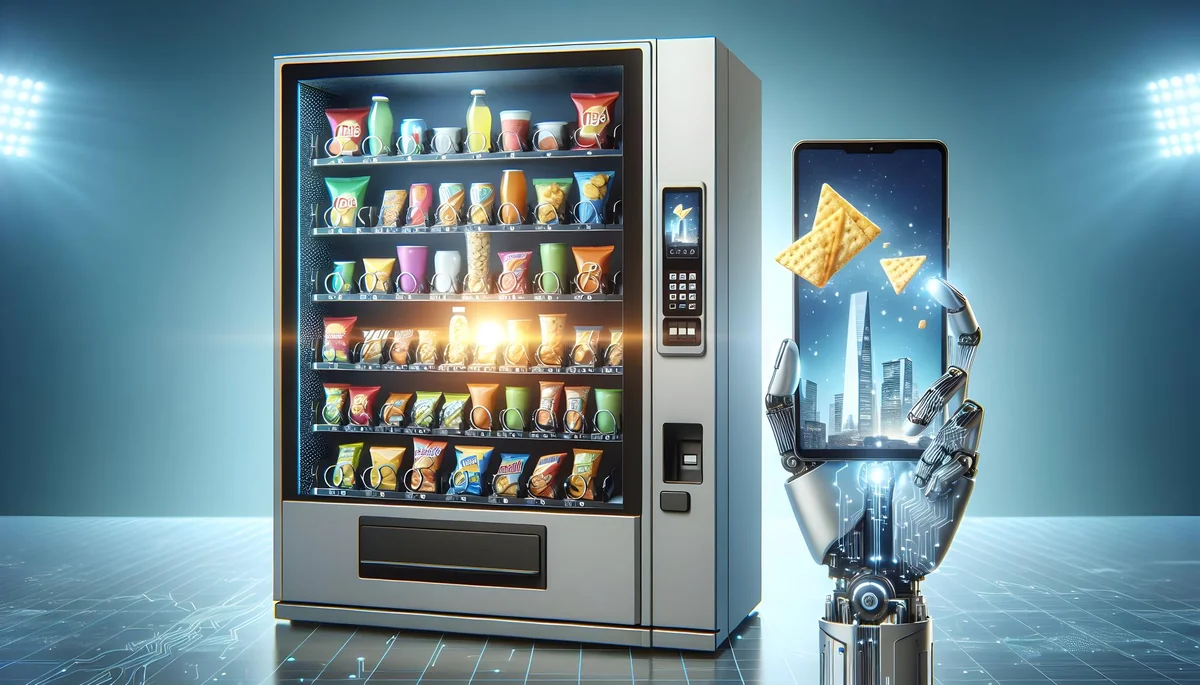
The specs that actually matter — and that most buyers gloss over — come down to a handful of categories. Cooling performance is the obvious one. You want a machine rated to hold consistent temperatures between -18°C and -22°C even in a warm indoor environment, because a mall food court in summer is not the same as a climate-controlled office lobby. Some cheaper units struggle to maintain temperature when the ambient room temp climbs above 30°C, which is exactly when ice cream demand peaks. Brutal irony, that.
Power draw is another one. A smart ice cream vending machine running a compressor, a touchscreen, IoT connectivity, and interior lighting can pull anywhere from 800W to 1,500W depending on the model. Check your venue’s circuit capacity before anything else — a 15-amp circuit at a lot of older retail locations won’t cut it cleanly.
- Compressor type: inverter compressors run quieter and more efficiently than fixed-speed ones
- Capacity range: how many SKUs and total unit volume the machine holds per refill cycle
- Payment system: does it support NFC, QR, card, and cash — or just one of those?
- Remote monitoring: real-time inventory alerts and temperature logs via app or dashboard
- Certifications: look for CE, FDA, or KC marks depending on your target market
And honestly, don’t get distracted by surface-level features. Some buyers spend more time comparing aesthetics than checking whether the machine passed a Rapid Test Kit inspection for food-contact materials — which, depending on your local health regulations, could be a compliance issue on day one. Manufacturers like Caiyunjuan build their machines to international food safety standards precisely because that stuff gets audited in real deployments.
One last thing. Secondary specs often get ignored entirely — things like the display panel’s nit brightness (matters a lot in bright retail environments, similar to why photographers obsess over an nd1000 filter for controlling light), the unit’s physical footprint, and whether the software supports OEM branding. Those details aren’t cosmetic. They affect daily operation.
Why Most Smart Ice Cream Vending Machine Buyers Underestimate Location and Foot Traffic
Foot traffic math is brutally unforgiving, and almost nobody does it before they buy. The assumption is usually something like: “malls are busy, so a mall is fine.” But a smart ice cream vending machine placed near a low-traffic corridor — even inside a technically busy venue — can underperform by 60 to 70 percent compared to an identical unit near an entrance or food court anchor. That’s not a spec problem. That’s a placement problem.
Think about it the way a retail analyst would. Hourly pedestrian count, dwell time, proximity to complementary impulse purchases — these variables matter more than almost anything on the product sheet. A unit pulling 400 passersby per hour at a theme park exit will outsell a unit in a quiet hospital lobby doing 80 per hour, even if the hospital machine has a better screen and a fresher flavor lineup.
Not obvious. Until it is.
And here’s the part buyers consistently miss — seasonal context. An outdoor venue that feels perfect in July can be dead quiet by October. A smart ice cream vending machine tied to one seasonal location without a relocation plan is essentially a depreciating asset sitting in the wrong place (kind of like buying an nd1000 filter for landscape photography and only ever shooting indoors). The machine doesn’t move itself. You have to plan for that.
There’s also a hygiene optics dimension that feeds directly into foot traffic conversion. Shoppers hesitate at machines that look grimy or poorly maintained, even when the product inside is perfectly safe. Regular upkeep — wiping surfaces, keeping the branding clean, running Rapid Test Kit checks on food-contact surfaces if your local authority requires it — directly affects how many passersby actually stop and buy. Caiyunjuan machines are built with smooth, cleanable surface materials partly for this reason; presentation at the point of sale isn’t cosmetic, it’s operational.
- Map hourly pedestrian flow at your shortlisted location before committing
- Check dwell time — are people pausing, or just walking through?
- Confirm seasonal traffic patterns across at least two quarters
- Assess nearby anchor stores or food vendors that drive impulse stops
- Plan a relocation option if the first placement underperforms within 90 days
Location isn’t a secondary consideration. It’s the primary one.
What Happens When You Skip the Certifications (CE, FDA, and Why They Matter)
Skipping certifications feels like saving money until it doesn’t. A single enforcement visit from a local health inspector — or worse, a customs hold at the port — can cost more than the machine itself, and that’s before you factor in lost revenue from downtime.
CE marking matters if you’re placing a smart ice cream vending machine anywhere in the European Economic Area. It signals that the machine meets electrical safety and electromagnetic compatibility standards. Not a nice-to-have. Legally required. FDA compliance works differently — it’s more about food-contact materials and whether the surfaces touching your product are safe for consumption. Think about it: the machine is dispensing something people eat directly. Skimping on that certification isn’t just a regulatory risk, it’s a liability one. And if something goes wrong health-wise, the absence of FDA compliance documentation is going to look very bad very fast.
The parallel with other regulated categories is actually useful here. Genuine supplements sold in the US have to meet specific labeling and safety thresholds — operators who skip that process get pulled from shelves. Same logic applies to food-dispensing equipment. The certification is the proof that someone independent checked the work.
Caiyunjuan machines carry CE, CB, KC, and FDA compliance — which isn’t a small thing when you’re trying to get approved for placement in a mall or airport. Property managers ask for this documentation before they’ll even discuss a lease. Some venues now also request a Rapid Test Kit verification record for food-contact surfaces as part of their vendor onboarding. Having the certs already in hand makes that conversation short.
What’s easy to miss: certifications also affect insurance. Operators running uncertified equipment in commercial spaces often find their liability coverage voided if an incident occurs. (Most policies have equipment compliance clauses buried in the fine print — worth reading before you sign anything.)
- CE required for EU/EEA placements — non-negotiable
- FDA compliance covers food-contact materials and surface safety
- KC certification needed for South Korean market entry
- ISO factory certification affects component consistency across units
- Always request physical documentation, not just a verbal claim from the supplier
No cert, no placement. Simple as that.
The Automated Ice Cream Machine Features That Look Good on Paper but Fail in the Field
Spec sheets are optimistic by nature. That’s just the reality of how machines get sold — every feature sounds flawless until someone actually runs one through a busy Saturday at a mall food court. With a smart ice cream vending machine, the gap between “what it says on paper” and “what happens at 4pm in August” can be genuinely brutal.
Take touchscreen responsiveness. Manufacturers love to tout high-resolution displays, and sure, they look great in a demo video. But sticky fingers, direct sunlight glare, and even minor screen calibration drift — which creeps in after a few hundred thermal cycles — turn a “premium UI experience” into a customer frustration machine. Fast. A lot of operators don’t catch this until the negative reviews start piling up.
Self-cleaning cycles are another one. Sounds incredible. Almost too good. The pitch is that the machine sanitizes itself between servicing windows, which, in theory, means less hands-on maintenance. In practice, these cycles often run longer than advertised, take the unit offline during peak hours, and — here’s the part nobody mentions upfront — still require manual deep-cleaning on a regular schedule anyway. It’s not unlike how Rapid Test Kit products market “instant results” but still require a controlled environment to be accurate. The headline feature works. The full picture is more complicated.
Portion consistency is quietly one of the biggest field failures. Variance in mix viscosity, ambient temperature swings, even a slightly worn dispensing valve — all of it adds up to portions that drift 10–15% over time. Customers notice. Caiyunjuan addresses this through calibrated dispensing mechanisms with tolerance controls built into the hardware, which is the right approach, but it’s worth asking any supplier specifically how they handle this drift over a 12-month deployment.
- Auto-cleaning claims rarely eliminate manual maintenance requirements
- Touchscreen performance degrades faster in high-traffic, high-heat environments
- Portion consistency needs hardware-level tolerance controls, not just software settings
- Remote monitoring dashboards often lag real-time status by several minutes
- Compressor noise ratings listed in specs are typically measured in ideal lab conditions
And honestly? The remote diagnostics features — the ones that promise real-time alerts on your phone — are often the biggest letdown of all. (The alert arrives. The machine already has a queue of unhappy customers in front of it.)
Conclusion
A smart ice cream vending machine is only as good as the hardware decisions made before it ever reaches a customer — the cleaning cycles, the compressor build quality, the dispensing tolerances. Those details don’t show up in a product brochure. They show up six months into a deployment when things start quietly going wrong.
So if there’s one thing to take from all of this: ask harder questions before you commit. Not about the software dashboard or the touchscreen size — about how the machine handles portion drift, what “auto-clean” actually requires from you weekly, and what the compressor noise looks like outside a lab setting.
The technology is genuinely impressive right now. Just go in with your eyes open.
Frequently Asked Questions
Q: What is a smart ice cream vending machine and how is it different from a regular one?
A: A smart ice cream vending machine handles the entire process automatically — mixing, freezing, portioning, and dispensing — without a human operator anywhere near it. The “smart” part usually means a touchscreen interface, remote monitoring via app or dashboard, cashless payment, and real-time sales data. Regular machines just dispense a pre-frozen product. These actually make the ice cream fresh on demand, which is a fundamentally different piece of engineering.
Q: How much does a smart ice cream vending machine cost?
A: Expect to spend anywhere from $8,000 to $25,000+ depending on the machine’s output capacity, dispensing mechanism, and whether it’s a standalone unit or a full kiosk format. Entry-level automated smoothie or soft-serve units sit at the lower end; robotic fresh-blend machines with custom flavor options push toward the top. Ongoing costs — ingredients, cleaning supplies, compressor maintenance — add up faster than most buyers anticipate.
Q: How long does it take a smart ice cream vending machine to serve one customer?
A: Most fresh-dispensing machines take 45 to 90 seconds per order, depending on portion size and whether the machine is doing any blending or layering. That sounds fast until you’ve got a queue of eight kids at a mall food court. If throughput matters for your location, check the machine’s rated hourly capacity — not just the per-serve time.
Q: Why do smart ice cream vending machines need cleaning cycles, and how often?
A: Dairy residue in warm mechanical parts is a food safety nightmare — bacterial growth can happen fast if cleaning is skipped or done wrong. Most machines run an automated rinse cycle daily, but a full deep clean (which often requires a human to disassemble certain components) is typically needed once a week. “Auto-clean” on the spec sheet doesn’t mean hands-off forever; it just means the machine handles the routine flush without you standing there.
Q: Can a smart ice cream vending machine work outdoors?
A: Some can, but not all — and this is a detail that genuinely trips people up. Outdoor-rated units need weatherproof enclosures, wider operating temperature ranges, and compressors that can handle ambient heat above 35°C without throttling. If a machine is only rated for indoor use and you put it on a sun-exposed patio, the compressor is going to struggle hard by mid-summer.
Q: Is a smart ice cream vending machine worth it for a small business?
A: It depends entirely on foot traffic. A smart ice cream vending machine placed in a high-volume spot — a mall, an amusement park, a busy transit hub — can realistically generate strong returns within 12–18 months. Drop the same machine in a low-traffic location and the math falls apart quickly. The machine doesn’t create demand; it just serves it more efficiently than a staffed counter would.
Q: How do I know if a smart ice cream vending machine has good portion control?
A: Ask the manufacturer for the dispensing tolerance spec — a well-engineered machine should hold portions within ±5 grams consistently. Portion drift (where servings quietly get smaller or larger over time) is one of the most common long-term complaints with automated dispensing machines, and it’s almost never mentioned in marketing materials. If a supplier can’t give you a specific tolerance number, that’s a red flag worth taking seriously.
Q: What certifications should a smart ice cream vending machine have?
A: At minimum, look for CE (Europe), FDA compliance (US food contact), and an ISO-certified manufacturing process — these aren’t just paperwork, they’re your first line of assurance that the machine was built to a real standard. For markets like South Korea, KC certification matters too. Machines from manufacturers like Caiyunjuan, which hold CE, CB, KC, and FDA credentials, are generally safer bets for international deployments than uncertified alternatives.