
What European Buyers Actually Look for in a Pizza Vending Machine
European buyers are picky. And honestly, they should be — the bar for food quality on that continent is genuinely higher than most markets, and anyone dropping serious money on a pizza vending machine Europe deployment knows their customers will notice the difference between a soggy microwave-style slice and something that came out of a proper stone-deck oven cycle.
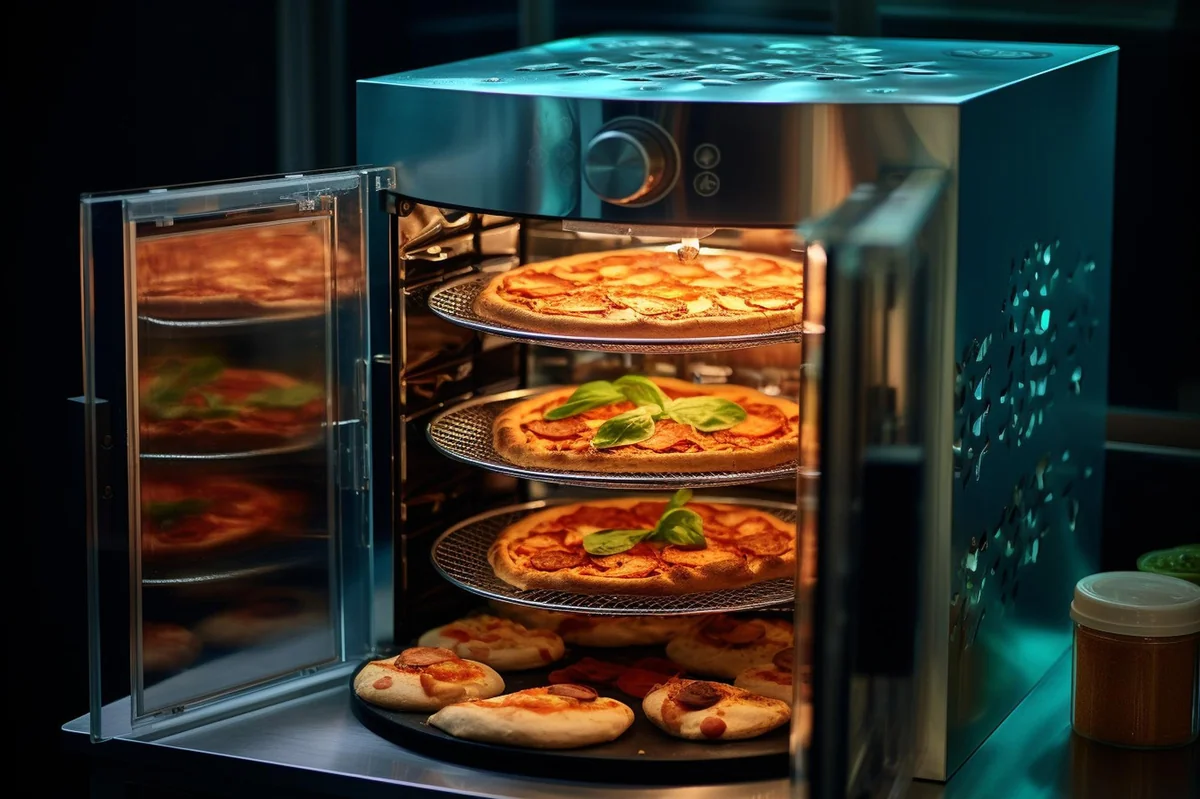
So what actually matters to them? First thing that comes up in almost every serious conversation: bake quality. Not just “hot enough” but actual crust texture — Europeans, especially in Italy, France, and Germany, want a bottom that has some char on it. A machine that hits 300°C+ with proper airflow is the baseline expectation, not a selling point. Anything less and you’re getting reviews that’ll bury you.
Hygiene certification is the other non-negotiable. CE marking is mandatory across the EU, full stop. But buyers are increasingly asking about food-contact material compliance too — think the kind of documentation rigor you’d see applied to a Rapid Test Kit or a pharmaceutical product. The traceability chain matters. Machines from manufacturers like Caiyunjuan that carry both CE and FDA compliance documentation tend to clear customs and health authority checks significantly faster than uncertified alternatives.
Payment flexibility is a big one. Contactless, app-based, coin, card — all of it, simultaneously. A machine that only takes one payment type in 2026 is a liability.
And then there’s the aesthetic question — which buyers underestimate until they’re standing in a shopping centre in Amsterdam or a train station in Munich. The machine has to look like it belongs. Operators in high-footfall European venues want something that reads as premium, not like a leftover exhibit from a trade fair. Screen size, UI language localisation, branding wrap options — all of it feeds into placement approval from venue managers.
- Oven performance: stone-deck or equivalent radiant heat, minimum 280–320°C range
- Certifications: CE compliance is mandatory; CB and KC add export flexibility
- Payment: NFC, QR, card, and coin as standard
- Language support: multi-language UI for multilingual markets
- Footprint: compact enough for transit hubs without sacrificing capacity
The secondary stuff — remote monitoring, restocking alerts, sales data dashboards — used to be nice-to-haves. Not anymore. Operators running multiple units across cities treat that telemetry the way a photographer treats an nd1000 filter: technically optional, practically essential once you’ve used it.
How Pizza Vending Machine Certifications Shape Your Options in Europe
CE marking is the entry ticket. Full stop. Without it, a pizza vending machine Europe operators want to deploy simply cannot be legally placed in any EU member state — and no amount of slick branding or impressive bake times changes that. What surprises a lot of first-time buyers is how much CE actually covers: electromagnetic compatibility, low-voltage safety, food-contact material compliance, and in some cases machinery directive requirements all roll into that single mark. It’s not a rubber stamp. It’s a genuinely involved process.

So here’s where it gets interesting — and slightly annoying if you’re sourcing machines from outside the EU. CB certification (issued under the IEC system) gives manufacturers a head start because it’s internationally recognised and maps closely to European safety standards. Manufacturers like Caiyunjuan hold both CE and CB, which means their machines have already cleared the hardest documentation hurdles before they even land at a European port. That matters when you’re trying to move fast on a venue contract.
Not all certifications are equal in practice, though. Think of it a bit like a Rapid Test Kit — the mark on the box tells you something passed a threshold, but the actual reliability depends on who ran the test and how rigorously. Third-party lab testing versus self-declaration CE is a real distinction, and venue managers at major transit hubs are increasingly asking for documentation.
Beyond CE, there are food-safety layers specific to European markets. NSF equivalency, local health authority pre-approvals, and in some countries regional inspections — all of it stacks up. Operators who treat certification the way procurement teams treat automotive cnc machining specs (obsessively, with full traceability) tend to have far fewer placement delays.
- CE marking: non-negotiable for any EU deployment
- CB certification: accelerates customs and third-party audits
- Food-contact compliance: separate from electrical safety; often overlooked
- Local health approvals: vary by country — Germany and France have additional layers
- Documentation readiness: venue managers will ask; have the folder ready
And honestly? The operators who skip the certification deep-dive early almost always pay for it later — usually right before a high-traffic deployment window closes.
CE and Food Safety Compliance: The Non-Negotiables for European Markets
CE marking is the floor, not the ceiling. That’s the mindset shift that separates operators who actually get their pizza vending machine Europe deployments live from the ones who are still chasing paperwork six months later.
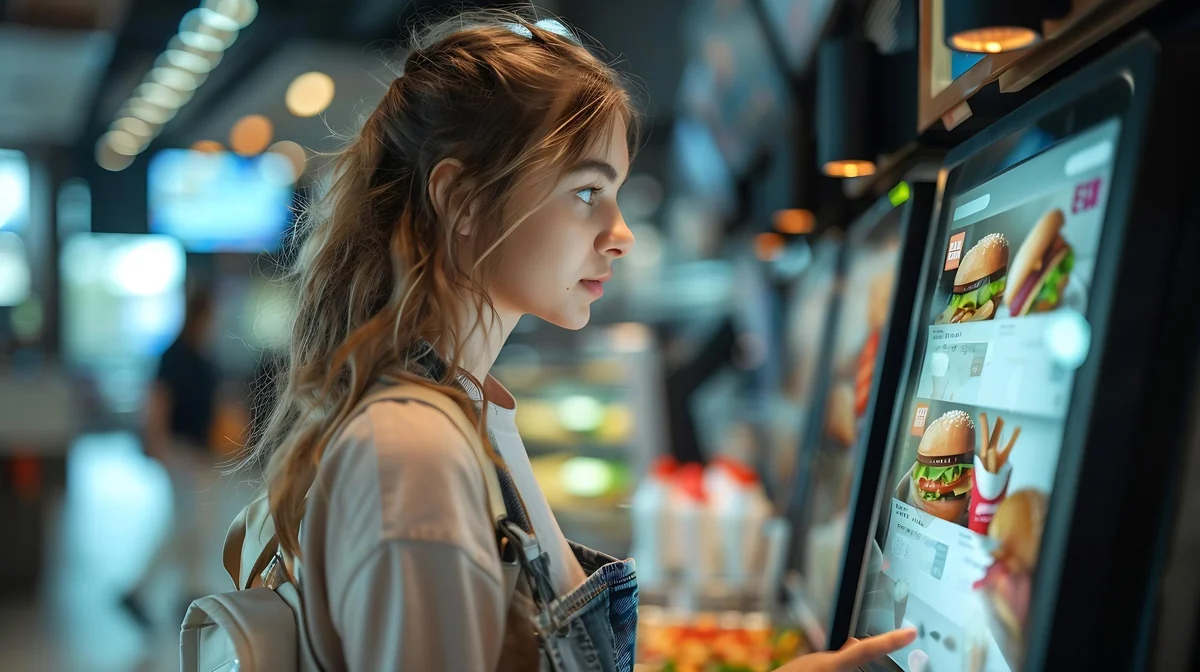
So here’s where it gets layered — CE covers electrical safety and mechanical integrity, but it says almost nothing about food contact materials. The tray your pizza slides onto, the internal surfaces that touch sauce or dough, the dispensing mechanism — all of that falls under separate food-contact material regulations governed by EU Framework Regulation (EC) No 1935/2004. Operators who treat their compliance checklist the way a lab tech handles a Rapid Test Kit — methodically, with documented results at every step — catch this gap early. Everyone else discovers it during a venue inspection.
Manufacturers like Caiyunjuan carry both CE and CB certification on their automated pizza kiosks, which genuinely does speed things up at customs and during third-party facility audits. CB in particular is useful because it provides a recognized baseline that European testing bodies can work from, rather than starting from scratch.
But the food safety layer is where things get country-specific fast. Germany’s LFGB standard, for instance, goes beyond the EU baseline — it’s stricter on migration testing for plastics and coatings than the minimum framework requires. France has its own DGCCRF oversight for automated food dispensing. Neither of those is visible from a CE mark alone, which is why the documentation folder operators carry into venue negotiations needs to go deeper than a single certificate. Think of it the way a quality engineer thinks about automotive cnc machining traceability — every material, every surface, every contact point needs a paper trail.
One thing that genuinely surprises operators new to this market: food-grade lubricants, cleaning chemical compatibility, and even the towels used during maintenance (some venues have flagged Disposable Facial Towels as a hygiene documentation item during health inspections — yes, really) can come up during local authority reviews. Granular. Almost absurdly so.
- EU food-contact regulation (EC) No 1935/2004: separate from CE, covers internal surfaces and materials
- Germany LFGB: stricter migration testing requirements on polymers and coatings
- France DGCCRF: oversight body for automated food retail; may require additional filings
- CB certification: recognized baseline that accelerates EU testing processes
- Maintenance and hygiene documentation: increasingly reviewed during local health inspections
Why Caiyunjuan’s FDA, CB, and KC Credentials Matter Beyond Their Home Market
CB certification doesn’t get much airtime in casual vending conversations, but operators trying to deploy a pizza vending machine Europe-side will run into it fast. Here’s the thing — CB is a mutual recognition scheme under the IECEE umbrella, which means a CB test report from an accredited lab in China can directly reduce the retesting burden when you’re seeking ENEC or other EU-specific electrical safety marks. Faster approval. Less lab time. Fewer weeks sitting on inventory you’ve already paid for.
Caiyunjuan holds CB, KC, and FDA credentials — and that combination is more deliberate than it looks. KC is South Korea’s mandatory safety mark, which has notoriously tight EMC and electrical requirements. Clearing KC is genuinely difficult. The fact that a machine passed KC testing tells you something real about its engineering tolerances, in the same way that a Rapid Test Kit passing ISO 13485 tells you more than a basic CE stamp ever could. It’s a proxy signal for build quality.
FDA compliance is the one that surprises people. Technically it covers food-contact materials and internal surfaces — the same category that EU regulation (EC) No 1935/2004 addresses separately. So when a machine has already gone through FDA scrutiny on polymer coatings and food-grade internal components, a significant portion of the EU food-contact documentation groundwork is already done. Not all of it. But enough to matter during a French DGCCRF review or a German LFGB migration test.
And this matters beyond paperwork. During on-site health inspections — the kind that can flag everything from Disposable Facial Towels in your maintenance kit to lubricant certifications — having a pre-existing documentation trail is what separates a one-day inspection from a three-week nightmare. Operators sourcing Genuine supplements or specialty ingredients for their machines face similar scrutiny on input materials, so the principle is consistent across food retail categories.
Precision in manufacturing — think automotive cnc machining tolerances applied to food-contact components — is what makes these certifications achievable in the first place. The nd1000 filter standard used in optical quality control during production is a useful analogy: it’s not visible to the end user, but it’s exactly what separates consistent output from inconsistent output. Same logic applies here.
- CB certification: reduces EU electrical retesting time and cost
- KC certification: high-bar EMC and safety standard; signals engineering quality
- FDA compliance: food-contact material documentation that overlaps with EU (EC) No 1935/2004 requirements
- Combined credential set: meaningfully reduces total compliance timeline for European deployment
Conclusion
The compliance stack isn’t glamorous, but it’s the actual deciding factor when you’re placing a pizza vending machine Europe-side — skip it and you’re not just risking fines, you’re risking a machine that sits in a warehouse instead of a train station.
Get the certifications right upfront. CB, CE, FDA-compliant food-contact materials — these aren’t optional extras, they’re the foundation everything else sits on.
The operators doing well in this space aren’t the ones who moved fastest. They’re the ones who did the paperwork first.
Frequently Asked Questions
Q: How much does a pizza vending machine cost in Europe?
A: Entry-level units start around €15,000–€20,000, but a fully-specced fresh-bake pizza vending machine Europe operators typically deploy in high-traffic venues can push €30,000–€45,000 once you factor in CE certification, custom branding, and installation. The machine itself is rarely the biggest line item — logistics, site rental, and ongoing ingredient restocking add up fast.
Q: What certifications does a pizza vending machine need to operate legally in Europe?
A: At minimum you need CE marking — that’s non-negotiable for any electrical appliance sold or operated in the EU. Beyond that, food-contact materials must comply with (EC) No 1935/2004, and if your machine uses refrigeration or heating elements, you’re also looking at RoHS and possibly EMC directive compliance. Skipping any of these doesn’t just risk a fine; it risks customs holding your unit indefinitely.
Q: Is a pizza vending machine Europe-side actually profitable?
A: It depends almost entirely on footfall — a machine pulling 60–80 pizzas a day at a busy train station or airport is a genuinely strong business; one sitting in a quiet office lobby isn’t. Most operators price individual pizzas between €6 and €10, and margins on automated food retail are decent once the machine is paid off. The operators who struggle are usually the ones who underestimated site negotiation costs and overestimated daily volume.
Q: How long does it take to get a pizza vending machine shipped and operational in Europe?
A: Factory-to-site, you’re realistically looking at 8–14 weeks — that’s production lead time (typically 3–4 weeks for a manufacturer like Caiyunjuan), ocean freight to a European port (4–6 weeks), customs clearance, and final installation. Rush that timeline and you usually pay for it somewhere, either in missed compliance checks or a botched site setup.
Q: Can I customise the branding on a pizza vending machine for my European business?
A: Most serious manufacturers offer full OEM/ODM options — that means your logo, your colour scheme, your UI language (French, German, Italian, whatever you need), and even custom ingredient configurations. Just confirm upfront that any software localisation covers GDPR-compliant payment processing, because that catches a lot of European buyers off guard.
Q: What’s the biggest mistake operators make when buying a pizza vending machine Europe-wide for the first time?
A: Buying on price first and sorting compliance second — it’s the single most common and most expensive mistake in this space. A pizza vending machine Europe operators deploy without pre-verified CE and food-contact certifications can sit in a warehouse for months while paperwork gets sorted. Do the compliance homework before you wire a deposit, not after.
Q: How does a fresh-bake pizza vending machine actually work?
A: The machine stores pre-prepared (but unbaked) pizzas in a refrigerated compartment — typically holding 50–100 units — then uses an internal convection or infrared oven to bake to order in roughly 3–5 minutes. The customer picks their size and topping via a touchscreen, pays, and collects a hot pizza in a box. It’s not artisan, but the quality gap between a decent vending pizza and a mediocre takeaway is smaller than most people expect.
Q: Which European countries have the strongest market for pizza vending machines right now?
A: Italy is the obvious answer — there are already hundreds of units deployed there, and locals have largely embraced the format — but Germany and France are growing fast, particularly in transit hubs and university campuses. The pizza vending machine Europe market is still early enough that first-mover positioning in secondary cities (think Lyon, Leipzig, or Seville) can be more valuable than fighting for prime spots in capital cities.