
Why a Phone Case Vending Machine in a Shopping Centre Actually Makes Money
Retail space in a major shopping centre isn’t cheap — and that’s exactly why the math on a phone case vending machine for shopping centre locations is so interesting. You’re not leasing a 500-square-foot boutique. You’re dropping a single kiosk into a high-footfall corridor, paying a fraction of the rent, and pulling in impulse purchases from literally thousands of daily visitors who already have their wallets out.
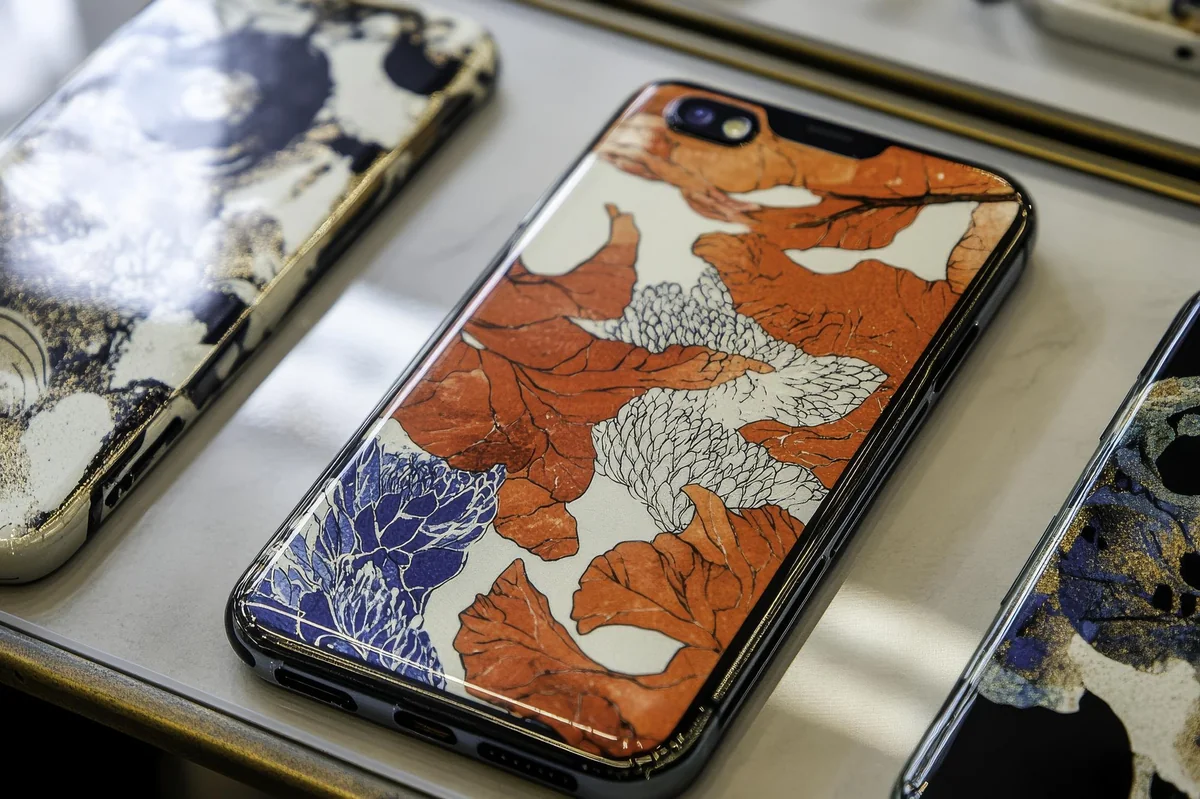
So let’s talk numbers for a second. A well-placed unit in a busy mall can process 20 to 40 transactions on a decent weekend day. At an average ticket price somewhere between $15 and $35 per custom case — depending on your market — that’s real revenue from a machine that doesn’t call in sick, doesn’t need a lunch break, and doesn’t require a full-time employee standing next to it. The Caiyunjuan print-on-demand model, for instance, lets customers design and receive a finished case in under four minutes. That turnaround keeps queues short and conversion rates high.
Honestly, the product itself is doing a lot of the heavy lifting here.
Phone cases are a consumable — people crack screens, switch devices, or just get bored of their current case every few months. That creates repeat visits, not just one-off sales. And unlike, say, a fully automatic cotton candy vending machine (which is brilliant for theme parks and events but seasonal by nature), a phone case unit sells consistently across the entire year without weather dependency or event scheduling.
The operational overhead is genuinely low. Restocking is manageable, the machines use on-demand printing rather than pre-stocked inventory for every design variant, and remote monitoring means you’re not driving out every other day to check on things. Manufacturers like Caiyunjuan (you can see their full product range at www.caiyunjuan.com) build these units with sealed internal components — think of it as a kind of automatic sealing machine logic applied to the print chamber — which reduces dust contamination and mechanical wear in busy public environments.
- Low staffing costs — no dedicated operator required during trading hours
- Small physical footprint, typically under 2 square metres
- High-margin product with minimal cost-of-goods per unit sold
- Repeat customer potential from device upgrades and case replacements
- Digital management via remote dashboard (no constant on-site presence needed)
The location does the marketing. Foot traffic, curiosity, a bright screen showing custom designs — that’s your entire acquisition funnel right there.
What Makes a Phone Case Vending Machine Work in High-Traffic Retail Spaces
Foot traffic alone doesn’t close the sale. What actually converts a passing glance into a purchase is the machine’s ability to perform — reliably, visibly, and fast — in an environment that is noisy, crowded, and completely indifferent to whether your hardware is having a bad day.
So here’s what separates a phone case vending machine for shopping centre deployment from one that just sits there looking expensive: operational resilience. Shopping centres run 10 to 14 hours a day, seven days a week. The machine needs to match that without flinching. Caiyunjuan designs their units with sealed internal print chambers — the same sealed-enclosure logic you’d find in an automatic sealing machine — specifically because open-air retail environments are brutal on precision components. Dust, humidity, the occasional spilled drink from a passing toddler. All of it adds up.
Fast turnaround matters more than most operators expect. A 2–4 minute print cycle is the sweet spot — long enough to feel premium, short enough that a small queue doesn’t become a deterrent. Anything slower and you lose the impulse buyer entirely.
And the screen is doing more work than people realise. A bright, high-resolution display cycling through design templates acts as a passive advertisement — pulling in browsers who weren’t even thinking about a phone case thirty seconds ago. It’s basically a digital billboard that also sells things (which is a pretty good deal for under two square metres of floor space).
Remote management is the other piece that makes this viable at scale. Operators can monitor stock levels, review transaction data, and push software updates without physically visiting the site — all through a cloud dashboard. If you’ve ever looked at the wp content architecture behind modern retail management platforms, the logic is similar: centralised control, distributed execution.
Caiyunjuan publishes technical specs and deployment guides at www.caiyunjuan.com, and if you browse their uploads section you’ll notice they also manufacture products like their fully automatic cotton candy vending machine — which tells you something about their broader engineering philosophy. They build for high-volume, high-traffic environments. That’s not accidental. It’s the whole point.
How Caiyunjuan’s Phone Case Printing Kiosks Turn Browsers Into Buyers
Browsers don’t buy. That’s the retail reality every shopping centre operator fights against — foot traffic means nothing if people just walk past. But a phone case printing kiosk from Caiyunjuan does something most retail fixtures can’t: it stops people cold, mid-stride, because the product literally doesn’t exist until they create it.

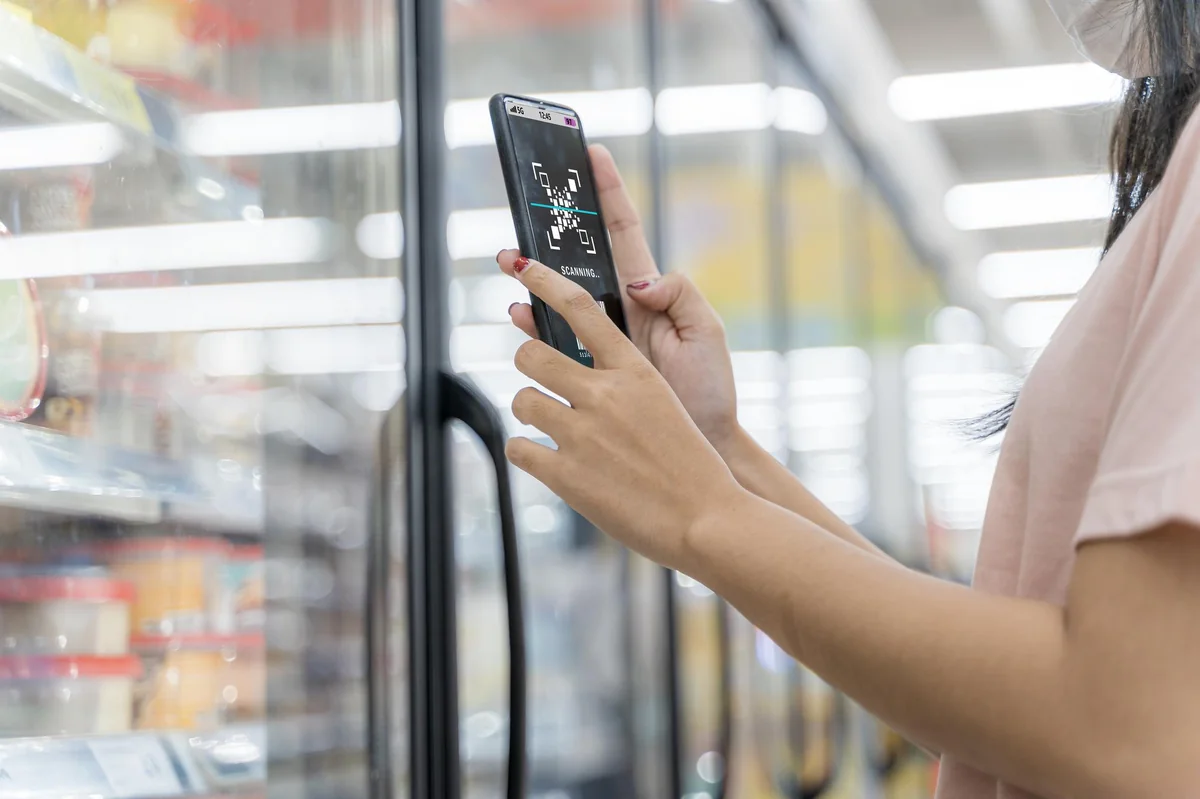
The interaction loop is tight. A shopper picks up their phone, taps their model on the touchscreen, browses design templates or uploads their own image, and within 2–4 minutes they’re holding a finished, personalised case. That timeline matters enormously in a shopping centre context — it’s fast enough to feel instant, but just slow enough that the person commits. They’ve invested attention. They’ve made choices. Walking away empty-handed after that feels weird. (Retail psychologists have a name for this; it’s related to the sunk cost effect, and it works.)
What Caiyunjuan engineered here isn’t just a printer in a box. The machine integrates an automatic sealing machine function into the finishing cycle — so the printed case is protected and packaged cleanly before it’s handed off, which signals quality rather than novelty. That detail alone changes how customers perceive the product. It doesn’t feel like a carnival gimmick. It feels like something they’d buy in an actual store.
So the conversion question isn’t really “will people use it?” — it’s “where do you put it?” High-dwell zones near food courts or cinema queues outperform corridor placements by a noticeable margin, based on deployment patterns visible in the wp content and uploads sections of operator case studies published at www.caiyunjuan.com. The same engineering team behind the fully automatic cotton candy vending machine applied identical placement logic there: proximity to boredom converts.
And the data backs the machine up. Impulse categories — personalised gifts, accessories, novelty items — consistently outperform planned-purchase categories in vending formats. A phone case vending machine for shopping centre environments sits squarely in that sweet spot. Low friction. High perceived value. Zero staffing cost.
Not a bad combination.
Placement, Footfall, and the Real Secrets to a High-Converting Phone Case Machine in Any Shopping Centre
Footfall is vanity. Conversion is sanity. You can park a phone case vending machine for shopping centre use in the busiest corridor in the building and still watch it underperform a unit tucked beside a cinema entrance — because the corridor crowd is moving with purpose, and the cinema queue is just… waiting.
That distinction matters more than most operators realise. Dwell time is the real currency here. Food courts, bubble tea queues, the area outside a gaming arcade — these are your goldmines. People standing still for 4-plus minutes with a phone already in their hand are basically pre-qualified customers. The machine doesn’t need to do much convincing at that point.
So what actually separates a high-converting placement from a mediocre one? A few things, and none of them are obvious:
- Eye-level screen height — the printing animation needs to be visible from at least 3 metres away
- Adjacent to a power source with clean cable management (messy installs kill brand perception immediately)
- Within sight of a seating area, not blocking foot traffic flow
- Near complementary impulse categories — phone accessories, gifts, novelty retail
- Away from escalator blind-spots where visibility drops sharply on approach
And here’s where operators consistently trip up — they optimise for rent cost instead of conversion rate. A cheaper spot near a fire exit saves maybe £200 a month and costs you three times that in lost sales. The machine’s mechanics are solid (Caiyunjuan’s engineering on these units is genuinely robust, same team that refined the fully automatic cotton candy vending machine deployment logic), but mechanics don’t matter if nobody’s standing there.
Lighting is underrated too. The screen on a phone case vending machine for shopping centre environments needs ambient contrast — harsh overhead fluorescents washing out the display is a silent conversion killer. Worth checking before you sign a lease on a spot.
Operator case studies published at www.caiyunjuan.com — including some buried in the wp content and uploads directories if you dig — show consistently that units repositioned from corridor to dwell-zone placements see transaction volume jump within the first billing cycle. Not marginal gains. Meaningful ones.
Pick the right spot first. Everything else is secondary.
Conclusion
Location is everything — and if you take one thing from this, let it be that. A phone case vending machine for shopping centre environments isn’t a passive income play you can set-and-forget in some tucked-away corridor. It’s a dwell-zone business. Put it where people are already pausing, already bored, already staring at their phones.
The hardware will hold up. That part’s solved.
What separates the operators turning real profit from the ones quietly losing money is placement discipline — and the willingness to move the unit if the numbers aren’t there within the first billing cycle. Don’t get precious about it. Move it, watch the data shift, and go from there.
Frequently Asked Questions
Q: What is a phone case vending machine for shopping centre environments, exactly?
A: It’s a self-service kiosk that lets shoppers design and print a custom phone case on the spot — usually in under five minutes — without needing staff involved. The more advanced units (like the ones Caiyunjuan manufactures) use UV printing tech and a touchscreen interface to walk customers through the whole process. Think of it less like a snack machine and more like a mini print shop that never takes a lunch break.
Q: How much does it cost to place a phone case vending machine for shopping centre locations?
A: Upfront machine costs typically sit somewhere between $8,000 and $20,000 USD depending on the spec — custom printing units run higher than basic pre-loaded case dispensers. On top of that, you’re looking at a revenue-share or fixed monthly rental deal with the centre, which can range from a few hundred to over $1,500/month depending on foot traffic and floor position. Ink, substrate stock, and maintenance are your ongoing variables after that.
Q: Why do phone case vending machines perform better in shopping centres than other retail formats?
A: Shopping centres have exactly what this product needs — high dwell time, bored shoppers, and a built-in impulse-buying mindset. People aren’t rushing through like they do at a transit hub; they’re already in browse mode. That mental state is what turns a “oh, that’s cool” moment into an actual purchase.
Q: How long does it take to print a custom phone case at one of these machines?
A: Most modern custom printing units complete the full cycle — design selection, printing, and dispensing — in about 2 to 4 minutes. That’s short enough to hold someone’s attention but long enough that the novelty of watching it print actually becomes part of the experience (which matters more than you’d think for repeat foot traffic and social sharing).
Q: Is it worth investing in a phone case vending machine for shopping centre placement as a side business?
A: It can be — but only if you’re disciplined about location. Operators who treat this like passive income and shove the unit in a quiet corridor almost always underperform. The ones seeing real returns are positioned near food courts, entertainment zones, or anchor stores where natural dwell time already exists. The machine isn’t the variable; the spot is.
Q: Can I put my own branding on a phone case vending machine for shopping centre use?
A: Most B2B suppliers offer full OEM/ODM customisation — that means you can wrap the exterior, customise the UI, and even white-label the whole thing under your own brand name. If you’re building a retail identity or running multiple units across different centres, that branding consistency actually matters to centre management during lease negotiations too.
Q: What phone models do these machines typically support?
A: Reputable units support a wide range — current iPhone models, Samsung Galaxy S and A series, and most major Android flagships. The inventory side is the thing operators underestimate: you need to stock the right blank case shells to match your local demographic, and that mix shifts constantly as new handset releases roll out. Running out of a popular model (say, iPhone 16 cases) on a busy Saturday is a very avoidable revenue leak.
Q: How do I know if my shopping centre location is actually good enough before I commit?
A: Ask the centre management for verified foot traffic data — specifically for the zone you’re targeting, not the overall centre average, because those numbers can be wildly different. Then stand in that exact spot for an hour at peak time and watch how people move. If nobody’s stopping or slowing down naturally, a phone case vending machine for shopping centre deployment there will struggle regardless of how good the machine is. Related reference: Top 5 Reasons Malls Need a.